The Rise of AI-Driven Personalization in E-Commerce: Trends and Tools from 2025
Introdução
As we step into 2025, the landscape of e-commerce is undergoing a transformative evolution, largely propelled by advances in artificial intelligence (AI). The future of virtual commerce is increasingly characterized by AI-driven personalization, a strategy that tailors shopping experiences to individual consumers based on their preferences, behaviors, and past interactions. This shift not only enhances customer satisfaction but also significantly boosts sales and brand loyalty. In this article, we will explore the trends and tools shaping this exciting new era of e-commerce.
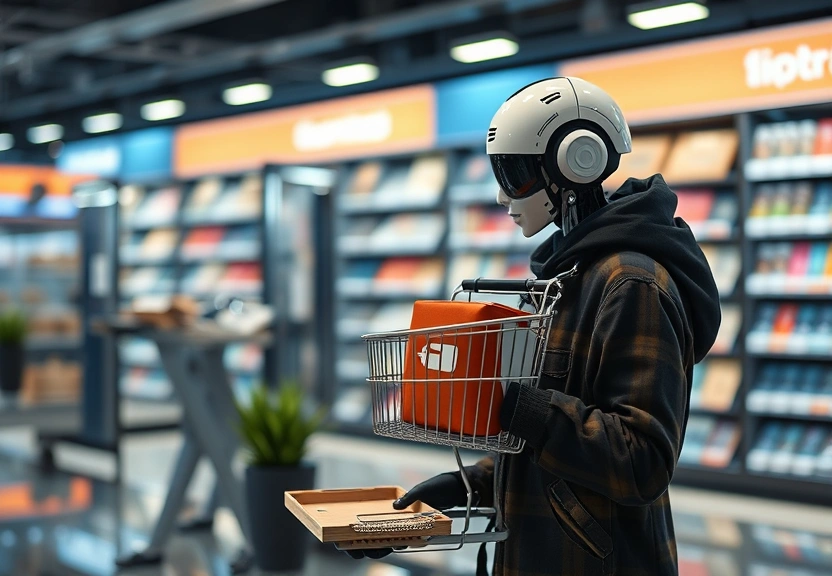
Desenvolvimento Principal
AI-driven personalization is not a novel concept; however, its implementation has matured significantly over recent years. By 2025, we anticipate several key trends that will define the e-commerce landscape:
- Hyper-Personalization: Brands are leveraging data analytics to create hyper-personalized shopping experiences. This means that product recommendations and marketing messages are not just based on broad consumer segments but rather tailored to individual users.
- Predictive Analytics: Utilizing AI algorithms, e-commerce platforms can analyze historical data to predict future buying behaviors. This allows brands to proactively present products that consumers are likely to purchase.
- Voice and Visual Search: As voice-activated devices and visual search technologies become more sophisticated, e-commerce sites are optimizing their platforms to accommodate these features. Customers can search for products using natural language or images, making the shopping experience more intuitive.
- Augmented Reality (AR) Integration: AR technology is being integrated into e-commerce platforms to enhance personalization. Shoppers can visualize how products will look in their homes or on themselves, leading to more informed purchasing decisions.
These trends highlight the importance of adopting AI-driven tools that cater to the evolving expectations of consumers. As a result, businesses that invest in these technologies are poised to gain a competitive edge in the crowded e-commerce market.
🎥 Vídeo relacionado ao tópico: The Rise of AI-Driven Personalization in E-Commerce: Trends and Tools from 2025
Análise e Benefícios
Implementing AI-driven personalization offers numerous advantages for e-commerce businesses. Firstly, it elevates the customer experience by providing tailored content and product offerings. This not only fosters a deeper connection between the consumer and the brand but also leads to increased conversion rates.
Moreover, personalized marketing campaigns can significantly reduce advertising costs. By targeting specific segments of the audience with relevant messages, brands can achieve higher engagement rates and lower customer acquisition costs. The ability to analyze consumer behavior in real-time allows businesses to adjust their strategies dynamically, ensuring they remain aligned with customer needs.
Furthermore, AI-driven personalization can enhance customer retention. By delivering a customized experience, brands can build loyalty, encouraging repeat purchases. With the right tools, e-commerce platforms can create a seamless shopping journey that keeps customers coming back.
In summary, the analysis of AI-driven personalization in e-commerce reveals that it is not just a passing trend but a fundamental shift in how businesses interact with consumers. The benefits are clear: improved customer satisfaction, reduced costs, and increased sales.
Implementação Prática
To effectively implement AI-driven personalization tools, e-commerce businesses should follow several best practices:
- Data Collection and Management: Investing in robust data collection methods is crucial. Businesses should focus on gathering data from various touchpoints, including website interactions, social media engagement, and purchase history.
- Utilizing AI Tools: There are numerous personalization tools available that leverage AI. Solutions such as dynamic pricing algorithms, recommendation engines, and customer segmentation software can significantly enhance the personalization process.
- A/B Testing: Regularly testing different approaches to personalization is essential. A/B testing allows businesses to assess the effectiveness of various strategies and optimize their offerings accordingly.
- Customer Feedback Loop: Establishing a feedback mechanism enables businesses to understand how customers perceive their personalized experiences. This information is invaluable for continuous improvement.
By following these practices, e-commerce platforms can harness the power of AI-driven personalization, creating a more engaging and satisfying shopping experience for their customers.

Perguntas Frequentes
What is AI-driven personalization in e-commerce?
AI-driven personalization in e-commerce refers to the use of artificial intelligence technologies to tailor the shopping experience to individual consumers. This includes personalized product recommendations, targeted marketing messages, and customized web experiences based on user data.
How does AI impact customer engagement in online shopping?
AI enhances customer engagement by providing a more relevant and tailored shopping experience. By analyzing consumer behavior and preferences, AI can deliver personalized content that resonates with customers, increasing their likelihood to engage with the brand.
What are some popular personalization tools for e-commerce?
Several tools are popular among e-commerce businesses for achieving personalization, including customer relationship management (CRM) systems, recommendation engines like Amazon Personalize, and email marketing platforms that use AI for segmentation and targeting.
How can businesses measure the effectiveness of personalization strategies?
Businesses can measure the effectiveness of personalization strategies through key performance indicators (KPIs) such as conversion rates, average order value, customer lifetime value, and engagement metrics like click-through rates on personalized content.
What are the future trends for AI-driven personalization beyond 2025?
Beyond 2025, we can expect AI-driven personalization to become even more sophisticated, with advancements in machine learning and natural language processing. Emerging technologies such as neural networks may enable even deeper insights into consumer behavior, leading to more effective personalization strategies.
Conclusão
In conclusion, the rise of AI-driven personalization in e-commerce represents a significant shift in how businesses connect with consumers. As we look towards 2025 and beyond, it is clear that leveraging AI technologies will be essential for brands aiming to thrive in the competitive virtual marketplace. By adopting innovative personalization tools and strategies, e-commerce businesses can enhance customer experiences, drive sales, and foster long-term loyalty. The future of virtual commerce is bright, and those who embrace these changes will undoubtedly reap the rewards.